The Importance of Nutrition for Runners
Running is one of the most effective and accessible forms of exercise. Whether you’re training for your first 5K, preparing for a marathon, or simply running to stay fit, your performance and recovery are heavily influenced by one key factor: nutrition.
Many runners focus on mileage, pace, and training plans, but overlook the role that proper nutrition plays in supporting endurance, preventing injury, and improving overall performance.
Fueling Your Runs Properly
Running requires energy, and the body primarily uses carbohydrates as its main fuel source during exercise. When carbohydrate intake is too low, energy levels drop and performance can suffer.
Including adequate carbohydrates in your diet helps maintain glycogen stores in the muscles, which are essential for sustained running performance. Foods such as whole grains, fruit, oats, rice, and potatoes are excellent sources that help support training and recovery.
Eating balanced meals throughout the day ensures your body has the fuel it needs not only to complete your runs but to maintain consistent training over time.
Supporting Recovery and Muscle Repair
After a run, your body begins repairing muscle tissue and replenishing energy stores. Protein plays a key role in this recovery process.
Including a source of protein after training helps support muscle repair and adaptation. Options such as eggs, yogurt, lean meats, fish, tofu, or protein-rich plant foods can help speed up recovery and reduce muscle soreness.
Combining protein with carbohydrates after running is especially effective, as it helps restore glycogen while supporting muscle repair.
Hydration Matters More Than You Think
Even mild dehydration can impact running performance. Fluids are essential for regulating body temperature, supporting circulation, and maintaining endurance.
Runners should aim to stay well hydrated throughout the day and adjust fluid intake based on training intensity, duration, and environmental conditions. During longer runs, electrolytes may also help replace minerals lost through sweat.
Nutrition Helps Prevent Injury
Consistently under-fueling can increase the risk of fatigue, reduced recovery, and injury. Adequate intake of calories, vitamins, and minerals supports bone health, muscle function, and overall resilience.
Nutrients such as calcium, vitamin D, iron, and magnesium are particularly important for runners. A well-balanced diet helps ensure your body can handle the demands of regular training.
Consistency Over Perfection
One of the biggest mistakes runners make is trying to follow overly strict or complicated nutrition strategies. The most effective approach is building consistent habits around balanced meals, regular fueling, and proper recovery.
Nutrition should support your training, not make it more stressful.
Small improvements in daily eating habits can lead to noticeable improvements in energy levels, endurance, and overall performance.
Download Your Free Runner’s Nutrition Guide
If you’re a runner looking to improve your performance, recovery, and overall health, having a clear nutrition strategy can make a huge difference.
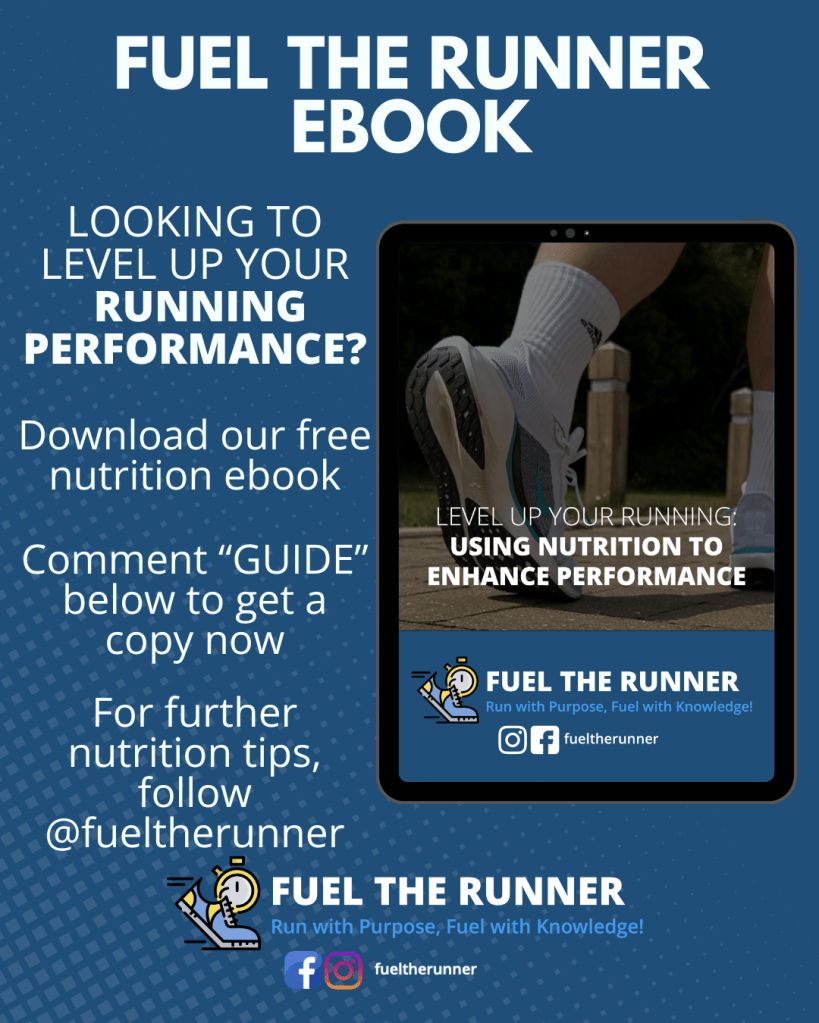
To help you get started, I’ve created a FREE Runner’s Nutrition Ebook that covers:
- How to fuel before and after runs
- The best foods for endurance and recovery
- Simple nutrition strategies to support your training
- Common nutrition mistakes runners make
Download your FREE Runner’s Nutrition Ebook today and start fuelling your running the right way.
 Fuelled by Fleming
Leave a comment